15 Years of Our First Scientific Image: What Capturing the Antennae Galaxies Meant for ALMA
The iconic observation of NGC 4038/4039 marked the breakthrough that confirmed ALMA’s potential to the world. We look back at the history behind this iconic capture, the memories of the team involved in the early operations at the OSF, and the collective effort that sustains the observatory’s daily work.
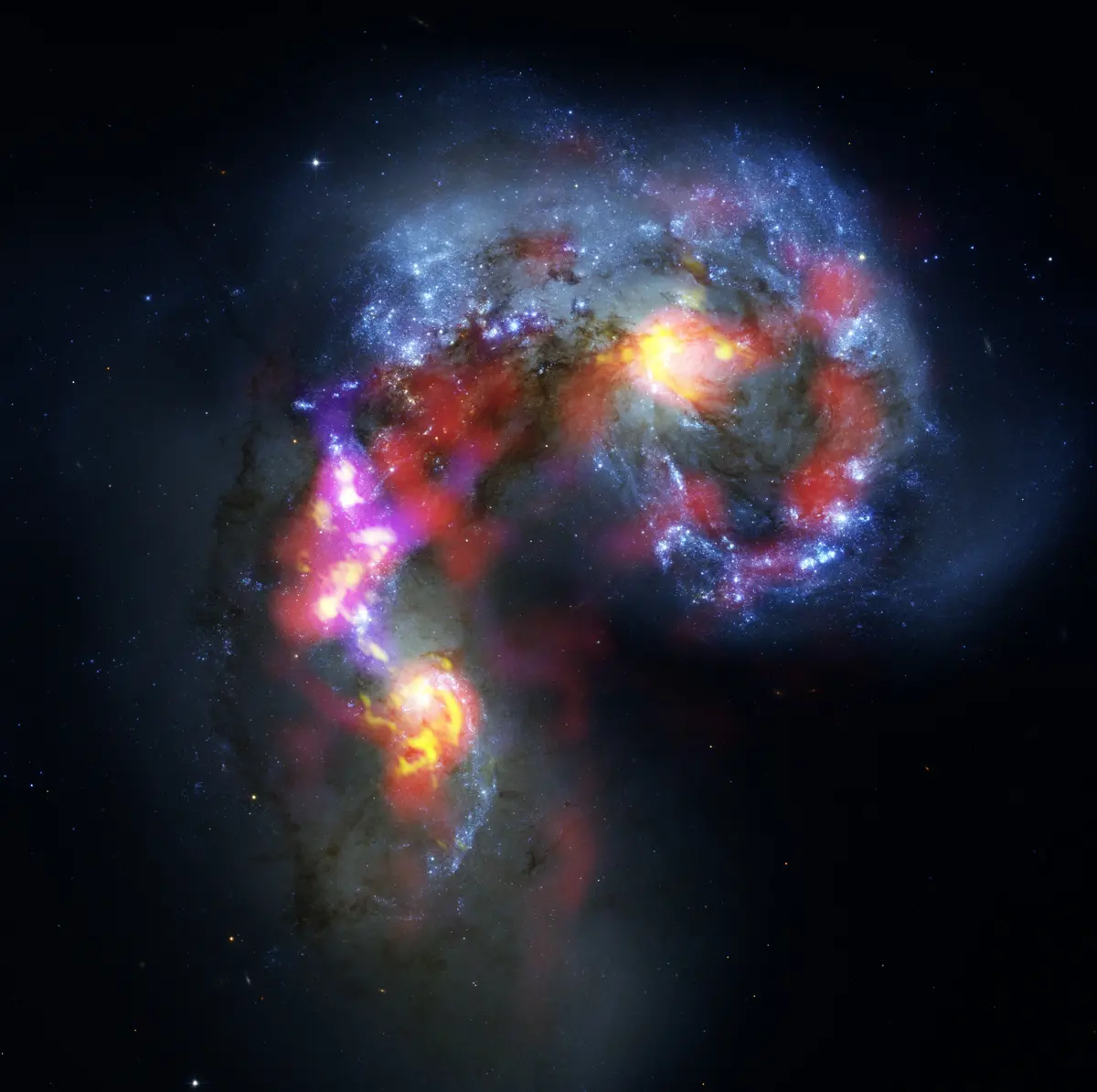
On October 3, 2011, the ALMA Observatory released its first scientific image to the world: the collision of the Antennae Galaxies (NGC 4038/4039). That moment not only amazed the international astronomical community with its aesthetic quality and level of detail, but also marked the most significant operational milestone in the project’s history: the official transition from an ambitious engineering challenge in the Atacama Desert to a fully operational observatory.
Today, as we commemorate 15 years since that first scientific light and having surpassed the historic milestone of 5,000 peer-reviewed publications, we look back to pay tribute to the revolutionary science, pioneering technology, and, above all, the human team that turned a scientific dream into reality.
Credit: R. Hills
“Fifteen years after that iconic first image, the Antennae Galaxies remain a symbol of what international collaboration and technical excellence can achieve. That accomplishment not only demonstrated ALMA’s potential to the world, but also paved the way for the transformative science we perform today. None of this would have been possible without the cross-cutting commitment of every person and team that supports our operations day in and day out,” highlighted Sean Dougherty, ALMA Director.
A pioneering challenge: living and working in the “Control Hallway”
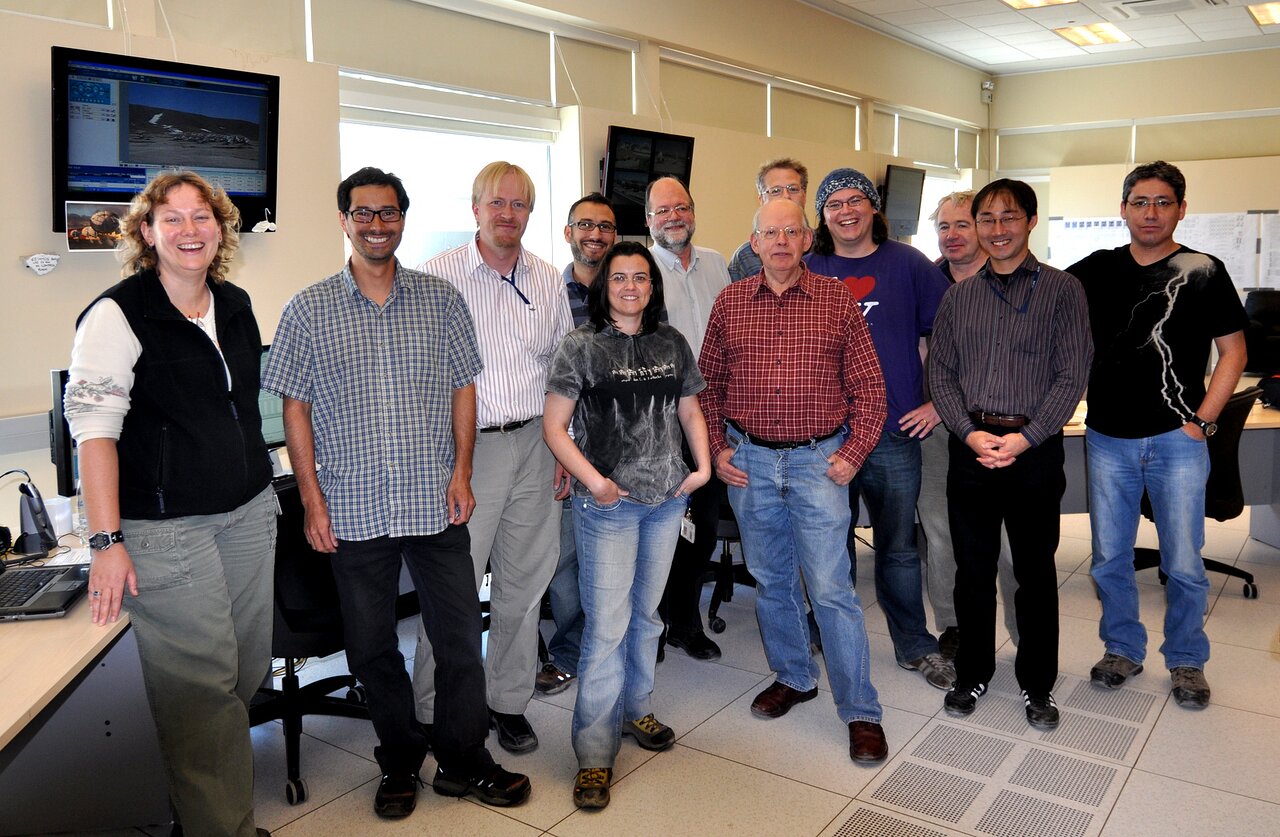
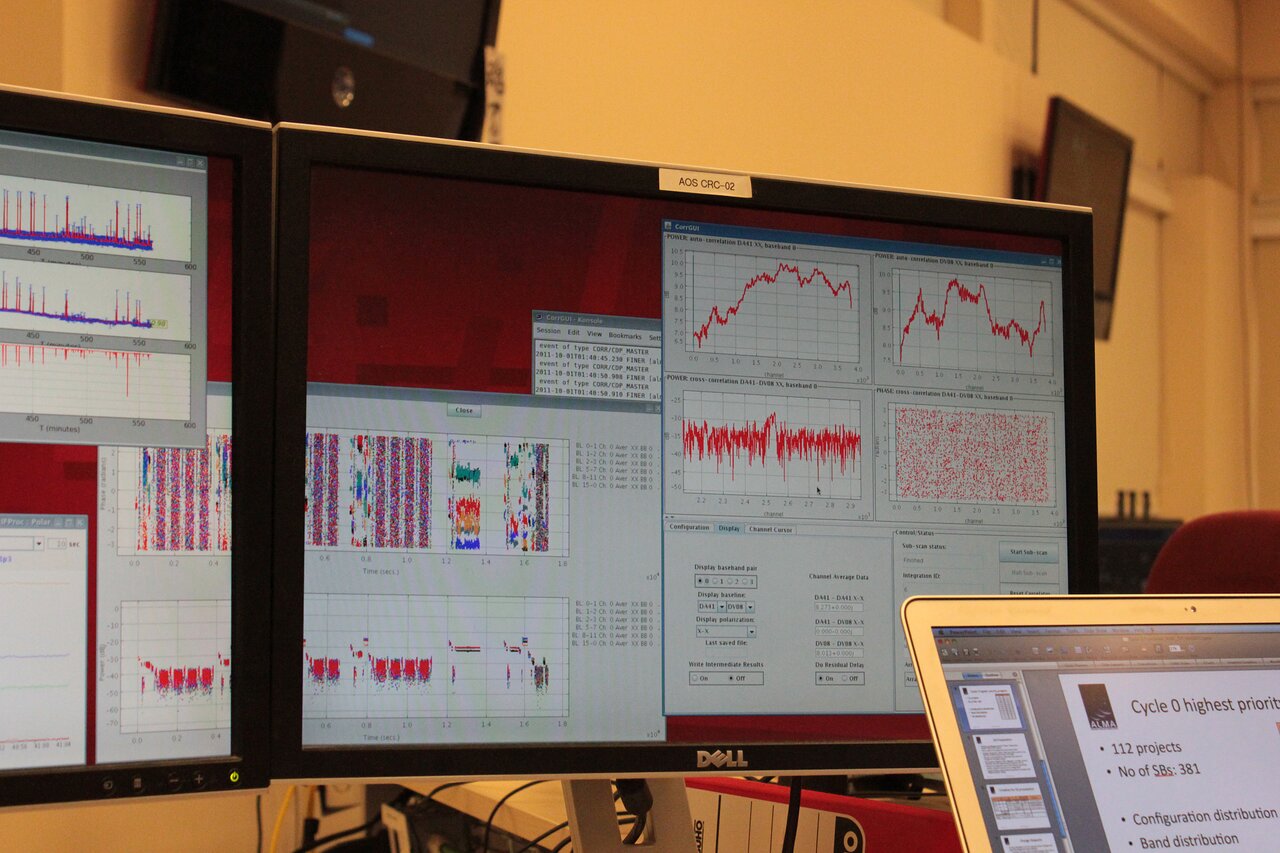
In 2011, the Operations Support Facility (OSF) looked very different from the consolidated building we know today. The observatory was under full construction, antenna configurations were short, and software systems were being developed and tested on a daily basis. Instead of today’s modern Control Room, the pioneering team operated in what they affectionately called the “control hallway.”
“I vividly remember working in the control hallway next to the antenna pads,” recalls Ruediger Kneissl, Science Operations Astronomer, who participated in the early observations of the Antennae Galaxies. “We worked with makeshift space heaters under our desks to fight the cold on winter nights. We weren’t thinking about immediate major discoveries; our absolute focus was on testing every antenna, verifying the entire system, and hosting TV crews and journalists from around the world. Seeing the first commissioned antenna arrive at the AOS or detecting the first successful interferences gave us an indescribable boost in morale.”
That same spirit of collaborative problem-solving is remembered by Tsuyoshi Sawada, System Astronomer: “What stands out most to me from that time is how closely engineers, software developers, array operators, and astronomers worked together. We faced unknown problems every single day and solved them side-by-side. Seeing the first carbon monoxide (CO) maps was a huge thrill: it meant ALMA was finally ready to deliver real data to the international scientific community.”
Credit: I. de Gregorio-Monsalvo
Shock physics and pre-cluster nebulae: The scientific impact of the first paper
From an astrophysical perspective, choosing the Antennae Galaxies for science verification was no coincidence. Although optical telescopes like Hubble had already photographed these interacting galaxies, the dense, cold gas clouds where stars are born remained hidden behind thick layers of cosmic dust.
With only 12 operational antennas in Band 7, ALMA’s observations were combined with infrared spectroscopy from the SINFONI instrument on ESO’s VLT. This synergy led to the first scientific paper published using ALMA data, revealing unprecedented insights:
- Extreme dynamics and turbulent shocks: Giant Super Molecular Complexes (SGMCs) were identified with velocity components out of phase by up to 150 km/s. The analysis demonstrated that these chaotic motions are driven directly by the galactic collision rather than by the gas’s self-gravity.
- Kinetic energy dissipation: Variations of up to ten-fold were detected in the emission ratios between hot and cold gas. This confirmed that hydrogen molecules act as direct tracers of the energy dissipated by supersonic shock waves.
- Discovery of a Pre-Cluster Cloud: At the heart of the collision, an extremely compact and dense source was discovered. It was identified as a pre-stellar cloud in an extremely brief evolutionary phase, just before triggering the formation of a massive super star cluster.
From 12 to 66 antennas: an infrastructure that exceeded all expectations
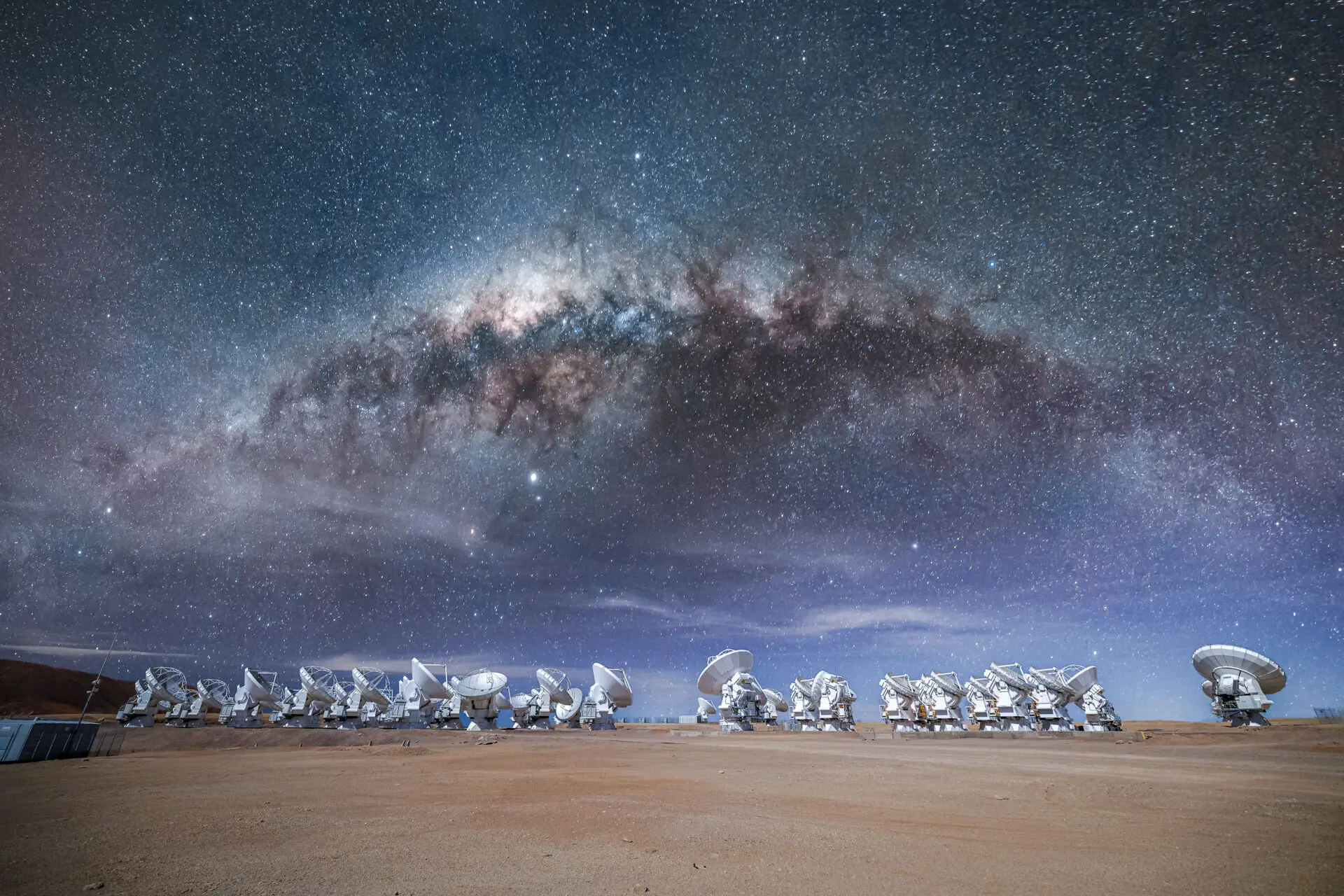
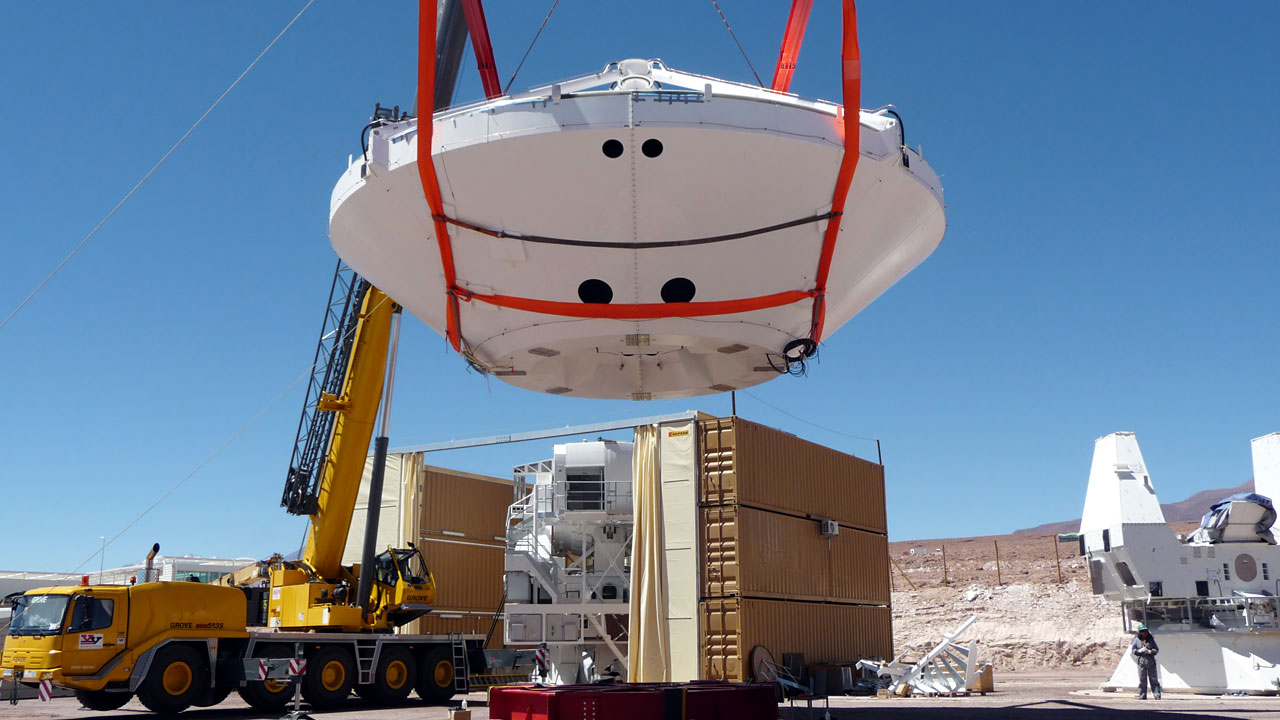
What began in 2011 as a demonstration of capability with barely a dozen antennas has consolidated today into an array of 66 high-precision antennas operating at 5,000 meters altitude on the Chajnantor plateau. ALMA’s technical evolution not only fulfilled its original promise, but surpassed the most optimistic forecasts.
Credit: ALMA (ESO/NAOJ/NRAO)/S. Rossi (ESO)
“ALMA far exceeded my expectations in fields ranging from planet formation and galactic chemistry to early cosmology alongside the JWST space telescope,” notes Kneissl. “Having discovered only the tip of the iceberg, it is clear that an immense amount of statistical and detailed work lies ahead, especially with the capabilities that the Wideband Sensitivity Update (WSU) will bring.”
A collective effort: The heart of ALMA at 15 years
Beyond cutting-edge receivers, supercomputers, and the vast technological strides made over the past decades, the true lesson left by these 15 years is that frontier science is, above all, a human endeavor.
“Unlike in 2011, ALMA is now a mature observatory that produces top-tier science regularly every single day,” reflects Sawada. “However, the core remains unchanged: the observatory relies on the commitment of people across highly diverse areas. From site operations, maintenance, transport, logistics, administration, and safety, to engineering and science. The knowledge we deliver to the world is, in its entirety, a team effort.”
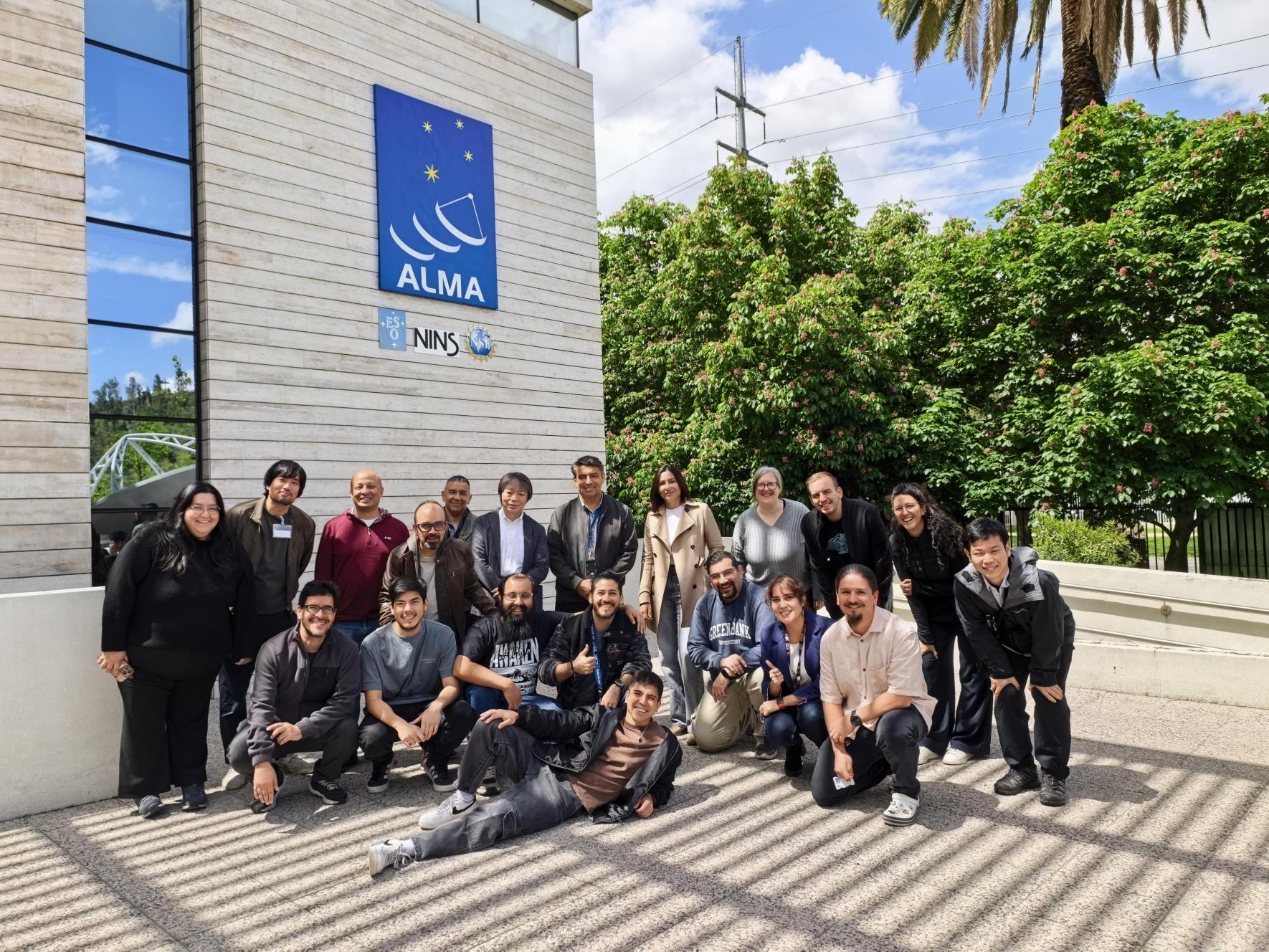
As we commemorate this milestone, we highlight the contribution of every member of the ALMA community across the OSF, SCO, the Executive Partners, and the ALMA Regional Centers (ARCs). Their daily professionalism, resilience, and passion are the engine that keeps observations alive and continues to make ALMA’s science possible. Happy 15th anniversary of science!