Atacama Makers Launches On-Site Edition at ALMA Observatory
The initiative combined innovation, teamwork, and the development of interactive software and hardware tools.
The observatory opened its doors to students and teachers from the Toconao Educational Complex and the Likan Antai Agricultural Bicentennial High School of San Pedro de Atacama. Marking a local milestone, this was the first time in the program’s four-year history that activities were conducted directly at the operational site.
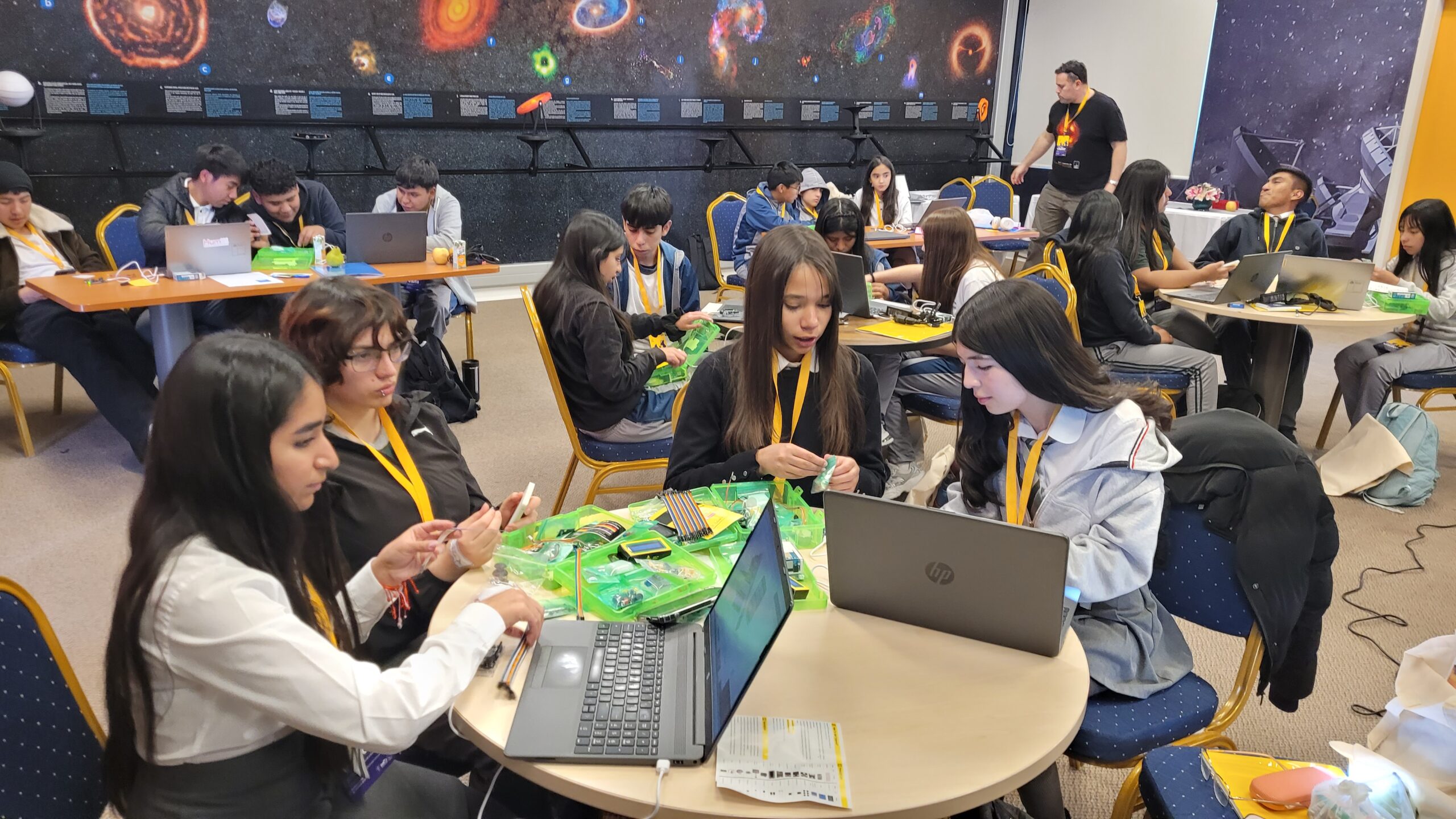
Divided into two full-day sessions, the workshops combined creativity, electronics, and coding using the Humm Makers methodology. On the first day, students engaged in critical thinking and innovation exercises to identify everyday challenges in their communities while learning the fundamentals of electricity, algorithms, and Arduino kits.

“Seeing young students from Toconao and San Pedro de Atacama fill the Yakana room, coding and problem-solving in the exact space where our engineers and scientists work every dayis truly inspiring. Hosting Atacama Makers at the OSF for the first time not only provides a meaningful hands-on experience for the students, but also reaffirms that ALMA’s science and technology make a tangible impact on our region,” highlighted Catalina Margulis, Corporate Secretary of ALMA.
On the second day, teams structured their challenges using the “How Might We?” methodology, brainstorming solutions before moving on to advanced hands-on practice. Guided by facilitators, they tested conditional circuits with lights, buttons, buzzers, and pedestrian traffic signals to build their first functional prototypes.
“I was able to learn how to solve problems that used to confuse me. The instructors explain everything in an engaging way. We even learned how to program, how structures work, and how to generate ideas from everyday issues we see around us,” explained Maura Armella, 10th-grade student from the Toconao Educational Complex.
Local Solutions: Technology Born in the Desert
The projects were designed around the students’ own observations of daily life in the desert. Standout proposals included a simple solar radiation alert system for school grounds, a device to detect potable water in local communities, and a temperature protection shelter monitor for community dogs.
Gabriel Leiva, physics teacher at the Likan Antai Agricultural Bicentennial High School in San Pedro de Atacama, noted how the initiative reshapes how students view their own potential: “The program generates immense motivation, leaving students eager to keep learning. As a teacher, that enthusiasm inspired me to launch a robotics workshop at our school. That is the program’s greatest contribution: sparking motivation and giving students the chance to discover and build on skills they might not have known they possessed.”
Meanwhile, Cristian Álvarez, physics and chemistry teacher at the Toconao Educational Complex, underscored the observatory’s role in scientific outreach and its impact on local youth: “I am deeply grateful to ALMA. Being here showed me the true value of science and how scientific organizations support local communities. I’ve seen firsthand how they bring science closer to young people—not just through Atacama Makers, but also through educational talks.”
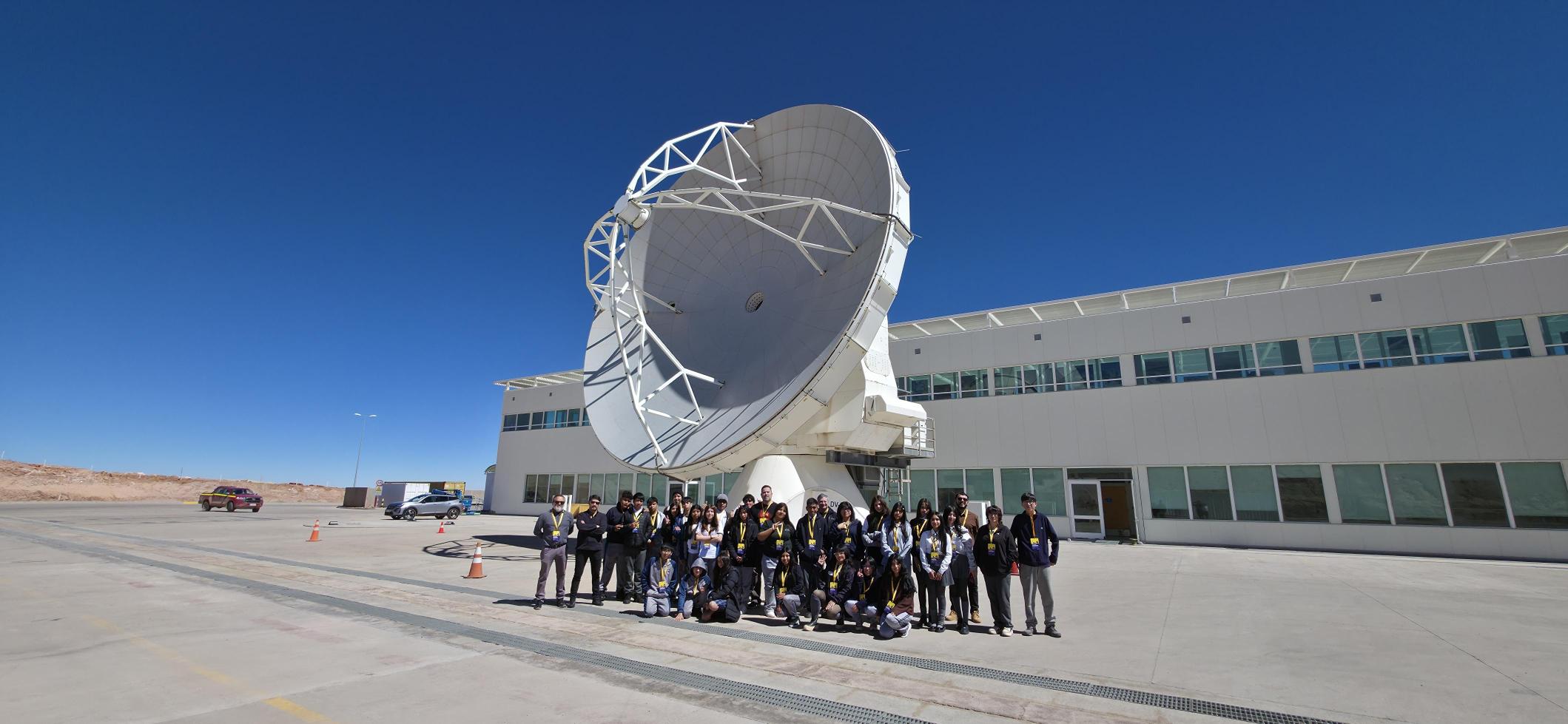
Following the practical workshops, students joined a guided tour across key areas of the OSF. The school delegations visited the Observatory Control Room, observed technical teams in maintenance laboratories, and saw the custom-built transporters, Otto and Lore.
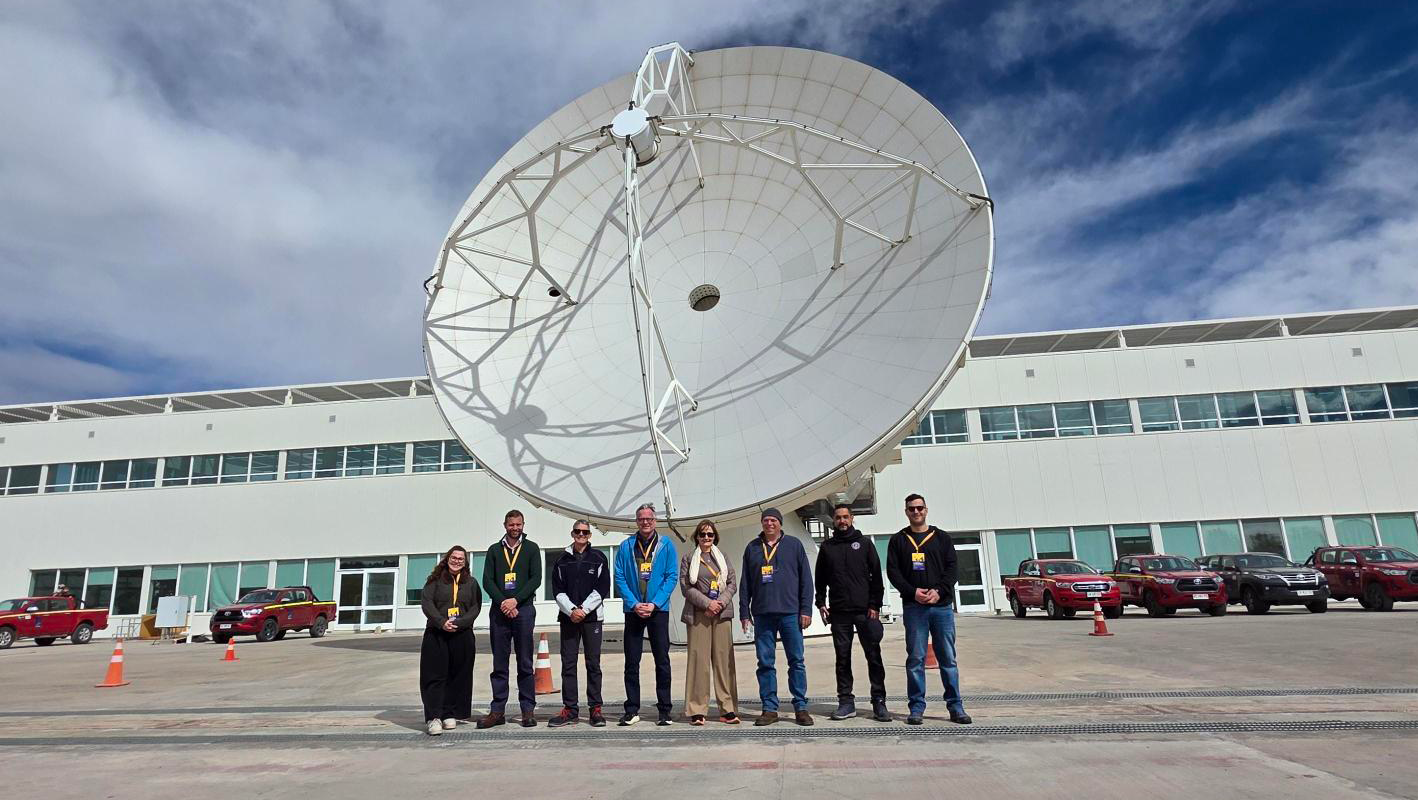
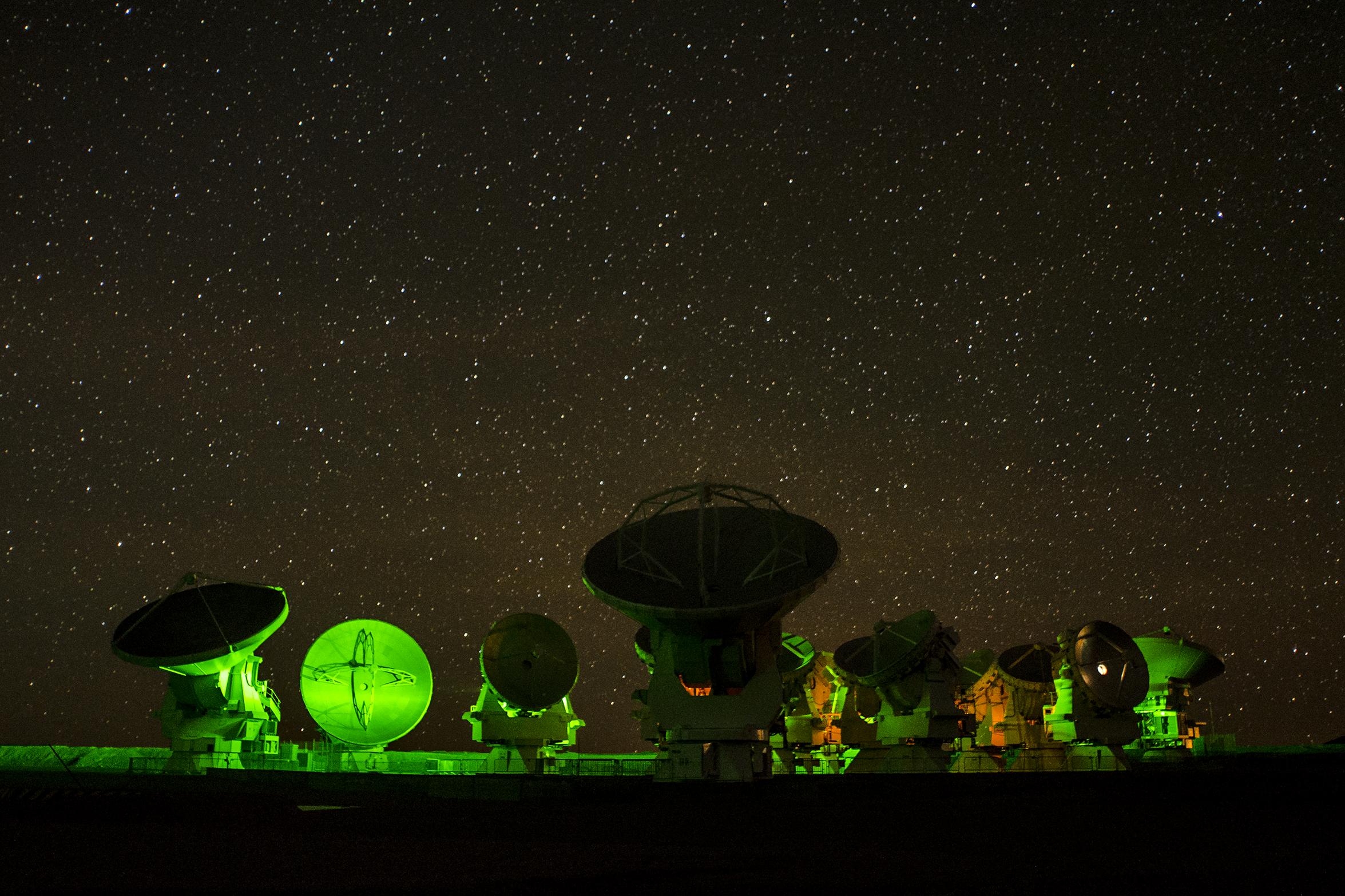
To conclude the visit, students traveled to the antenna testing area on the OSF plateau, gaining a close-up view of these state-of-the-art instruments and learning how signals from the Cosmos are captured. This hands-on experience allowed students to directly connect the circuits and code developed in their workshops with the large-scale engineering that powers ALMA.