Cycle 13: Behind the Project Selection Process for a New Observing Period
Featuring the general debut of Band 2 and the consolidation of distributed peer review, the selection process reaffirms the observatory’s high operational standards and commitment to transparency.
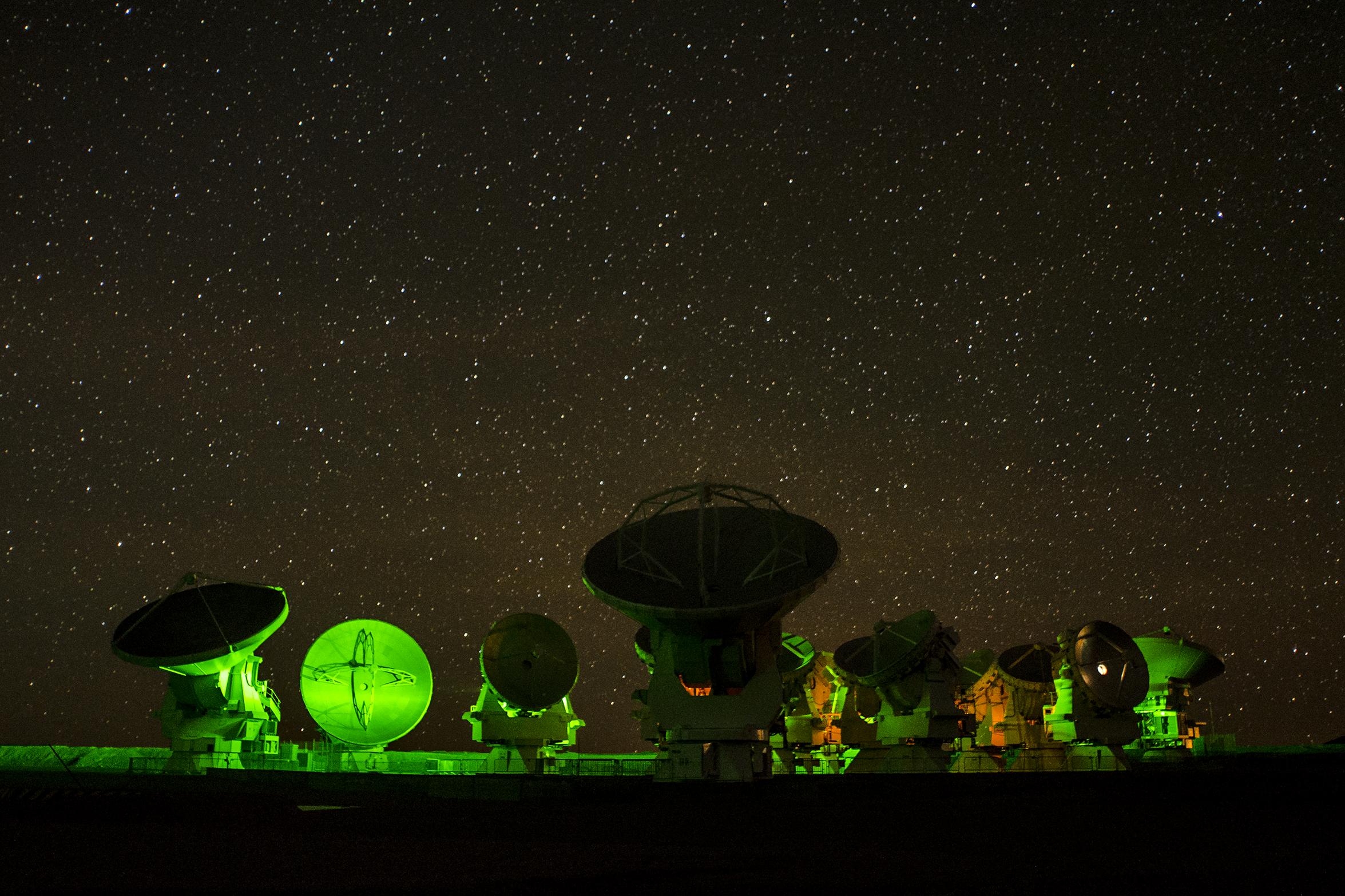
With the release of the Cycle 13 results, ALMA entered a new phase of its scientific operations. The cycle generated immense interest from the international astronomical community, receiving 1,839 observing proposals requesting over 37,000 hours on the 12-meter Array, against an actual availability of 4,300 hours.
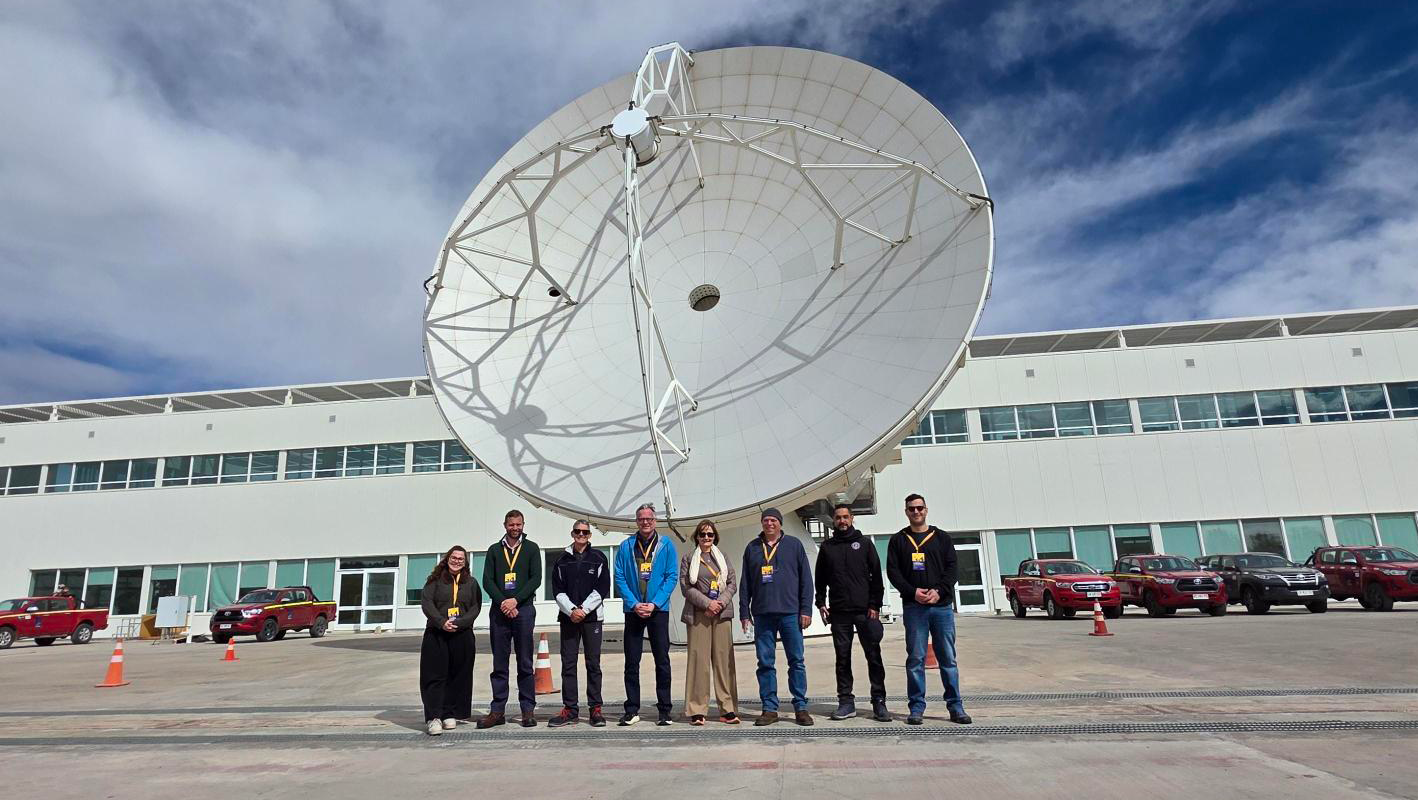
Processing this volume of applications, coordinating peer reviews, and building the final telescope schedule is an ongoing, year-round endeavor led by a multidisciplinary team headed by John Carpenter, ALMA Observatory Scientist, and Andrea Corvillón, Proposal Handling Team Lead.
“This process is a truly global team effort. The system works because the Joint ALMA Observatory (JAO) in Chile, the ALMA Regional Centers (ARCs), and the computing and science teams work in close coordination toward the same goal at every stage. It reflects the international character of the observatory, not only through our users, but in how we operate,” explained John Carpenter.
For her part, Andrea Corvillón highlighted the rigor applied across all stages of the process to ensure excellence: “To maintain quality control across thousands of reviews, we implemented automated checks and actively engaged with reviewers when issues arose, helping them refine their comments. A combination of clearer documentation, better training materials, and direct follow-up allows us to support the community much more effectively.”
Proposal Review Management: Global Coordination Focused on Excellence
Of the 1,839 proposals submitted for this cycle, 229 projects were awarded Grade A or B status (representing a 12% acceptance rate). The selection combined two review methodologies:
- Large Programs: Forty-seven large-scale proposals were evaluated by the ALMA Proposal Review Committee (APRC)—chaired for this call by Dr. Hideko Nomura and composed of 20 scientists, supported by 80 external reviewers. From this group, four key programs were selected to investigate topics such as circumstellar disk evolution and star formation surveys.
- Distributed Peer Review: The remaining 1,792 regular proposals were assigned under the distributed peer review system, where applicants evaluate projects within their field. This cycle involved 1,216 reviewers who completed nearly 17,900 individual assessments. Post-review surveys showed that 59% of reviewer comments were rated as high quality by the participants themselves, surpassing the previous cycle’s benchmark.
Regarding telescope capabilities, Cycle 13 was notable for being the first general call for proposals to offer Band 2. Covering the 67 to 116 GHz range, this new receiver completes the frequency coverage envisioned in ALMA’s original design. It allows researchers to study the chemical composition of the interstellar medium, cold gas in distant galaxies, and the building blocks of planetary systems in unprecedented detail. Demand was strong: 210 requests were submitted for this frequency, making it the fourth most requested band of the cycle.
“From an operational perspective, integrating Band 2 into the scheduling process was straightforward. In terms of precipitable water vapor constraints, it can be treated similarly to Bands 1 and 3, so the main adjustment was adding Band 2 to the scheduling software. It was a relatively simple change, and our experience during this first cycle confirms that Band 2 can be seamlessly integrated into ALMA’s standard scheduling pipeline without major operational hurdles,” noted John Carpenter.
The Observing Queue and Operational Efficiency
Once scientific evaluation is complete, the team builds the observing queue. This step requires cross-referencing each project’s assigned priority with the observatory’s operational planning.
At this stage, regional time shares agreed upon by the ALMA partners are applied (Chile 10%, East Asia 22.5%, Europe 33.75%, North America 33.75%, and Open Skies). Scheduling must also account for technical and environmental variables, such as antenna array configurations, object sky positions (right ascension), and weather fluctuations on Chajnantor.
In this framework, proposals assigned Grade C play a critical operational role: they provide the flexibility to adapt to changing weather conditions, executing low-frequency projects during poor weather or high-frequency projects when humidity levels drop to optimal levels.
The coordinated work between the science operations and proposal handling teams ensures that available array time is maximized, upholding ALMA’s commitment to equity and transparency for the global astronomical community.
“We still have work to do to further strengthen this process and ensure that reviews consistently meet our quality standards, but today we certainly have more tools and tracking mechanisms that allow us to manage it far more effectively,” concluded Andrea Corvillón.